
A hands-on guide to the McGowan surname: its Gaelic roots, regional clusters, pronunciation quirks,
You've probably encountered the name McGowan at some point—maybe in a sports broadcast。a business meeting, or a historical documentary. It's one of those surnames that pops up everywhere, yet few people stop to think about what it actually signifies or how to use it effectively in different contexts. This guide cuts through the noise and gives you concrete, actionable insights about the McGowan name, whether you're researching family history, writing a character, or just curious about the people behind the label.Let's start with the basics. McGowan is an anglicized form of the Gaelic 'Mac Gabhann,' meaning 'son of the smith.' The smith—a metalworker—held a crucial role in early Irish and Scottish societies, so the name carries a weight of craftsmanship and utility. I've seen McGowan families clustered in counties like Donegal and Mayo in Ireland, and in Scotland's Highlands, particularly around Argyll. If you're tracing a McGowan line, focus on these regions first. Parish records from the 18th and 19th centuries often list McGowans as blacksmiths, which can help confirm a connection. One practical tip: spellings vary wildly—McGowan, McGowen。Magowan, even Gowan—so don't dismiss a record just because the vowels shifted.
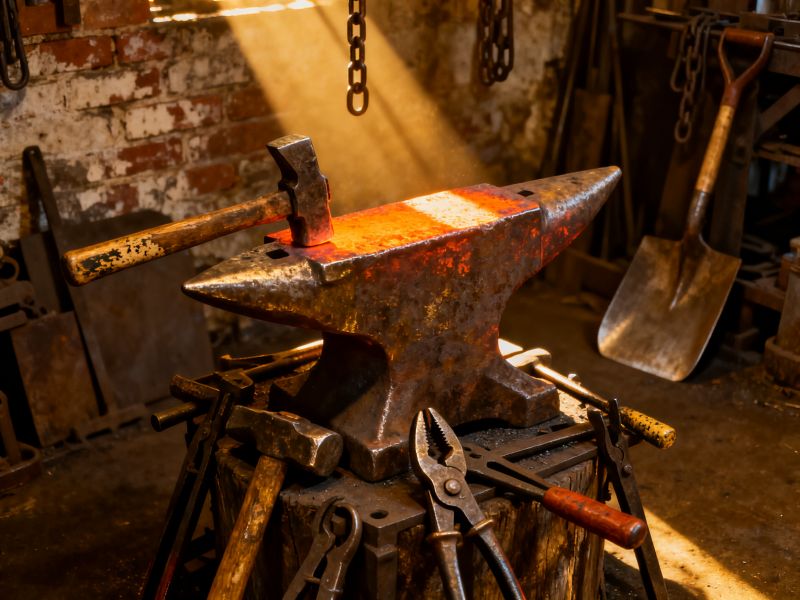
Now。how do you actually work with the name McGowan in a professional or creative setting?In business, I've noticed that McGowan tends to be memorable—it has a solid, rhythmic quality. If you're naming a company or a brand, pairing McGowan with a short, concrete noun works well: 'McGowan Forge' sounds authentic, while 'McGowan Digital' feels oddly mismatched. For writers, a character named McGowan instantly suggests resilience and a no-nonsense attitude—think of the fictional detective or the gruff mentor. Avoid making the McGowan character a villain without nuance;the name's historical association with smiths implies creation, not destruction. That subtle bias can make a villain feel off-key unless you're deliberately playing against type.Real-world McGowans offer plenty of case studies. Take Shane McGowan, the late Pogues frontman—his name became synonymous with raw, poetic punk energy. Or consider a lesser-known example: a Glasgow-based engineer I read about, Fiona McGowan, who patented a low-cost water filtration system. Her story shows how the name travels beyond stereotypes. When you meet a McGowan, don't assume they're Irish or Scottish—the diaspora spread the name to Australia, Canada, and the US, where it often lost its hyphenated prefixes. I've met McGowans in Texas who pronounce it 'muh-GOW-en' rather than 'mick-GOW-an.' Pronunciation matters. Get it wrong。and you'll sound like an outsider. Ask politely if you're unsure.Finally, a word on digital presence. Searching for 'McGowan' online returns a flood of results—athletes。actors, politicians. To cut through, add a middle initial or a location. 'McGowan Donegal' yields genealogy forums;
'McGowan startup' surfaces tech founders. If you're building a personal brand as a McGowan, own the spelling variations—grab the domain for the most common misspelling before someone else does. And if you're writing about a McGowan, verify the details. I once saw an article confuse the Pogues' Shane with a Scottish politician—embarrassing and easily avoidable with a quick cross-check.